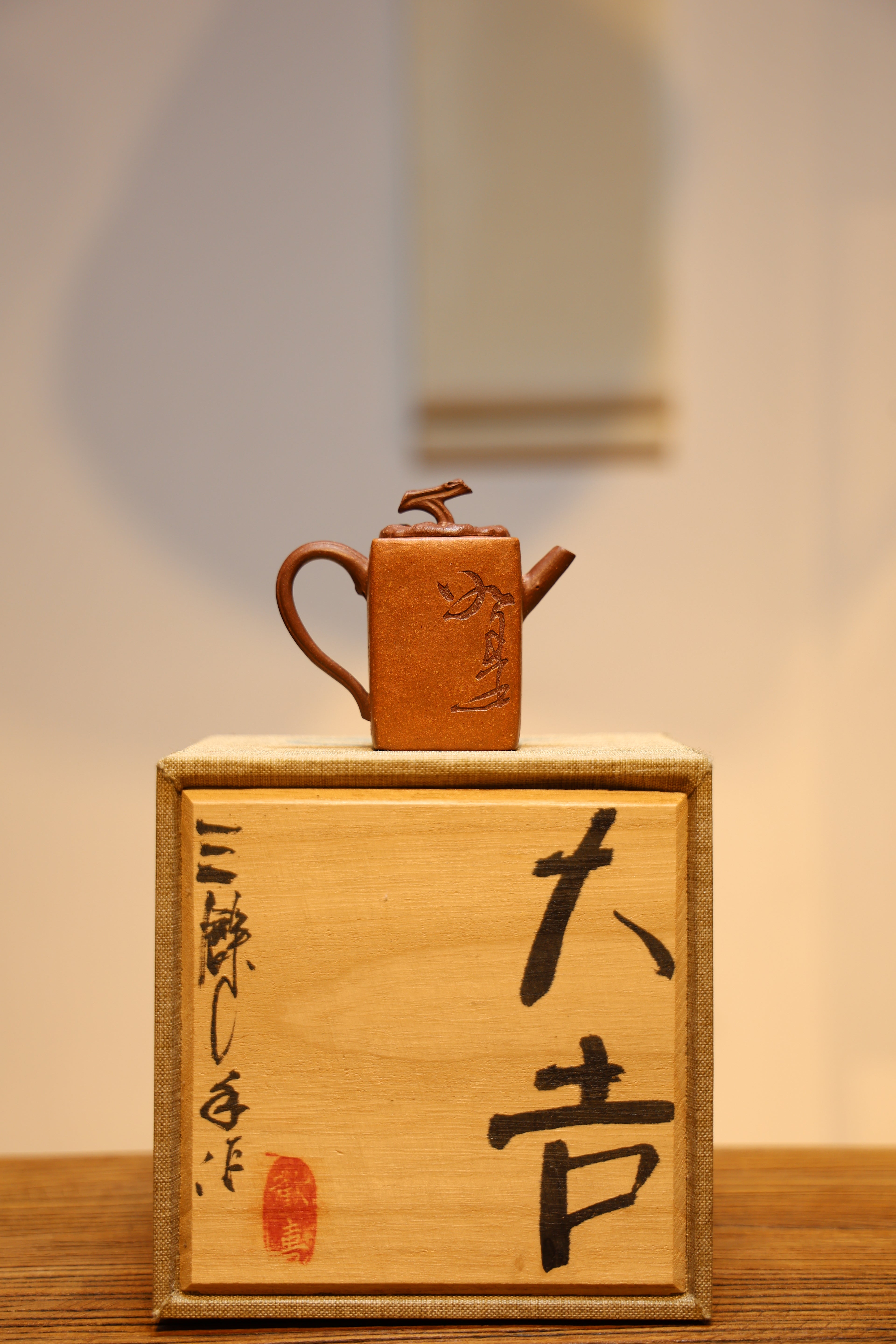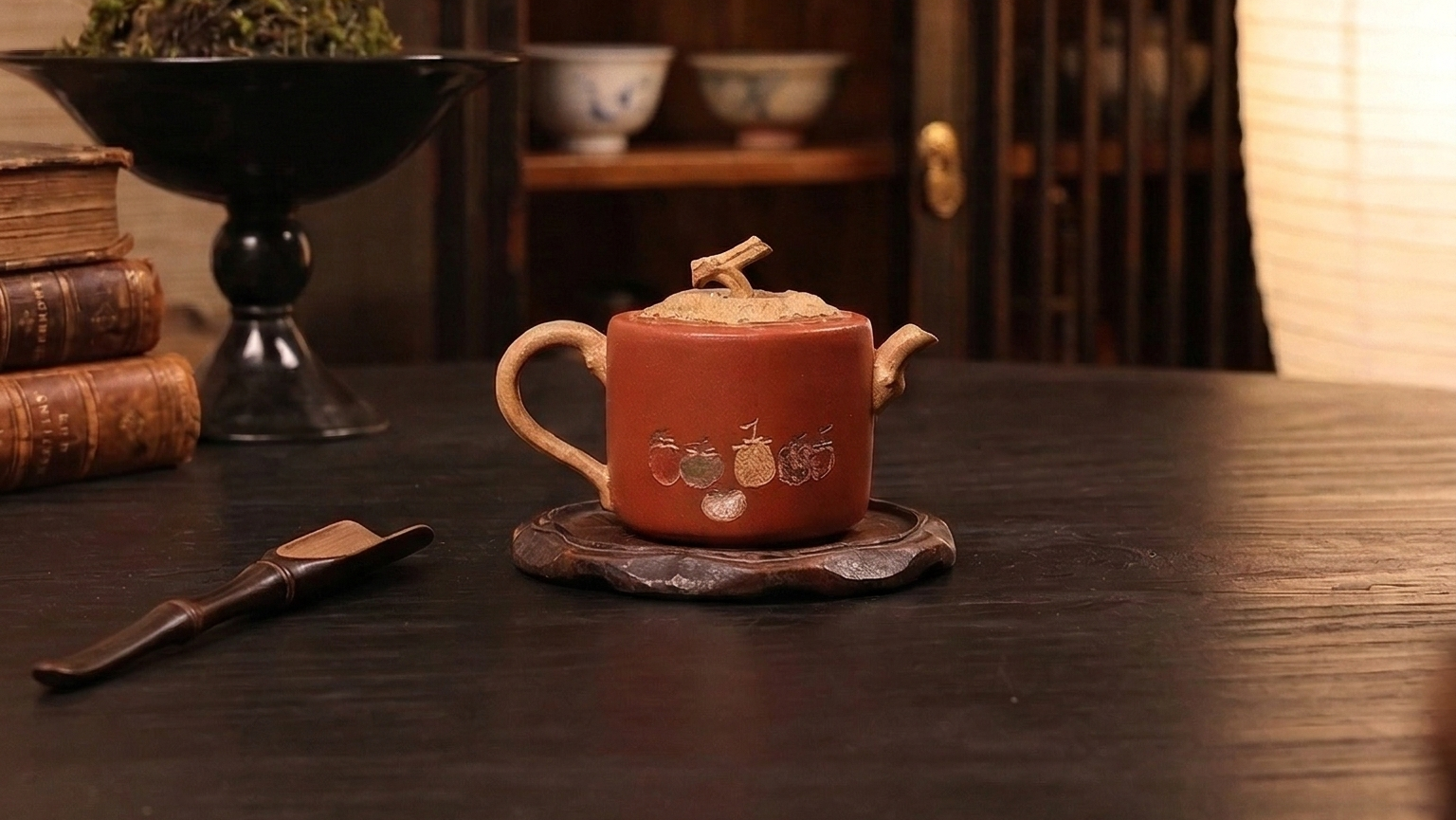
Times in aficionados have sought the special attraction of Yixing Zisha kettles. Hailing in the quaint town of Yixing, the state, these earthenware are formed from a unique and sourced purple clay renowned for its outstanding thermal properties and facility to amplify the savor of liquids. More than their practical value, Zisha teapots illustrate a solid traditional legacy, making them considerably esteemed and a legitimate find for any dedicated teapot devotee.
Discovering Yixing Vessels
These teapots highlight a singular combination of history and artisan craftsmanship. Founded in Yixing, Jiangsu Zone of China, their narrative goes back the Ming Dynasty, although manifestations suggest earlier instances. The special purple clay, called Zisha, found particularly in the Yixing region, is the crucial component, contributing to the pots' superior heat conservation and the manner they affect the quality of tea. Dynasties of potters have refined techniques—often relayed through families—including forming the clay, applying sophisticated embellishments, and firing the pots at regulated temperatures.- Traditionally, Yixing teapots were often furnished with simple designs.
- Eventually, more refined carvings and representative motifs became trendy.
- The thermal curing itself is a crucial element, requiring lengthy phases of knowledge.
Obtaining Zisha Teapots: Fundamental Points
Commencing a search to accumulate Zisha earthenware can be enjoyable, but it’s imperative to comprehend what to analyze. Authenticity is vital; focus on the soil’s natural tone, a muted reddish-brown is typical. copyrightine the grain; genuine Zisha has a exclusive tactile sensation, often portrayed as slightly grainy. The morphology should be balanced and consistent with antique styles, while labels, if present, require close copyrightination for reliability. Don’t shy away to consult with knowledgeable enthusiasts or credible references – their wisdom is essential.
Chinese Clay Pots: Investigating the History of Yixing Zisha Clay
Epochs have seen Yixing Violet Clay teapots preserve a special role in Chinese tradition. These carefully constructed pots, sourced exclusively from the region of Yixing, are renowned for their recognizable tone, grain, and their ability to amplify the quality of liquids. Many collectors desire antique Zisha Teapot Yixing teapots, prizing them immensely not only for their aesthetic attractiveness, but also for the background they stand for.
Yixing Zisha Teapots: Distinguished Best Types and Their Details
Yixing Zisha teapots, originating from the Yixing area of Yixing, China, are celebrated for their remarkable clay and unparalleled brewing skills. Amid the different Zisha types, selected types that are highly esteemed include Zhuni. Binzhou, known for its dark purple shade and fine texture, delivers a tempered flavor. Duan Ni category, recognizable by its mahogany color and moderately grainy feel, is regarded to enhance tea’s body. Lastly, Zhuni class boasts an exceptional carmine tone and can provide a pleasant nuance. Each breed supplies a varied experience, causing them very desirable regarding concoction enthusiasts.
Excelling at A Yixing Jar
To access the beauty of your Yixing jar, comprehending the correct procedure is key. These clay pitchers, celebrated for their filtering ability, will progressively accept the soul of the tea you prepare within them. Begin by scraping the container thoroughly with warm water. Then, use only excellent natural leaf tea, as lower quality options can damage the item’s delicate aroma. Always allow the leaves to develop completely, and remember that with each brewing, your Yixing urn will become progressively appreciated.
Caring for Your Valuable Zisha Collectible
Proper maintenance for your Zisha urn is vital to sustaining its longevity and appreciation. Zisha clay, hailed for its unique nuance and consistency, requires precise handling. Never use strong formulas, as these can affect the veneer. After every session, rinse the pitcher with comfortably warm water and allow it to evacuate moisture completely.
- Resist soaking the pot for extended periods.
- Sometimes use a soft towel to dress the exterior.
- Consider applying a thin layer of food-grade fat inside the jar after drying, which can reduce staining.
Fundamentals of Yixing Pitchers
Yixing clay pots, originating from the Yixing district in Jiangsu Province, China, are celebrated for their distinctive features. Constructed from the unique purple clay known as Zisha, these containers are prized by potion enthusiasts worldwide. This summary will simply explain the core elements – covering categories of Zisha matrix, widespread shapes, and necessary care pointers. Understanding the history of Yixing clay pots can broaden your appreciation for this revered copyrightple of Mandarin heritage.
Skill of Han Pitchers: Presenting Zisha originating in the Yixing area
Zisha soil from this city of Yixing represents the peak of Chinese pot design, possessing a singular amalgamation of raw beauty and valuable artistry. These celebrated pieces are renowned for their rich color schemes, often extending between intense purples and auburn hues to muted greys and soft beiges. The distinctive mineral composition of the indigenous Zisha terrain imparts a identifying texture and offers a enjoyable aroma that increases the whole drink experience, resulting in them greatly coveted collectibles and fundamental components of any serious infusion.